
When your product sells through a retailer, the buyer stays invisible. Here is how receipt rewards give you that customer back, and what to do with them once you have them.
- When a customer buys your product through a retailer, you receive the sale but lose the customer relationship entirely.
- Receipt rewards let indirect buyers identify themselves to you, turning an anonymous transaction into a first-party data record.
- Once you have that customer in your own ecosystem, a well-timed reward gives them a concrete reason to buy directly next time.
Every brand that sells through retailers faces the same quiet problem: someone buys your product, the sale registers, and then the customer disappears. No email address, no purchase history, no way to follow up. The retailer owns the relationship, and you own the inventory. Receipt rewards close that gap by giving indirect buyers a reason to raise their hand and a reward waiting for them when they do.
The invisible buyer problem is bigger than most brands realise
Retail distribution is a growth lever, but it comes with a structural cost. A shopper who picks up your product at a supermarket or pharmacy never touches your Shopify store, never joins your email list, and never appears in your customer database. From your analytics, that purchase looks identical to no purchase at all. Over time, a brand selling primarily through retail accumulates a large base of buyers it cannot speak to, cannot retain, and cannot measure. That is not a gap in your marketing; it is a gap in your business model. The customers most likely to buy again are the ones who just bought, and you have no way to reach them.
How receipt rewards de-anonymise indirect customers
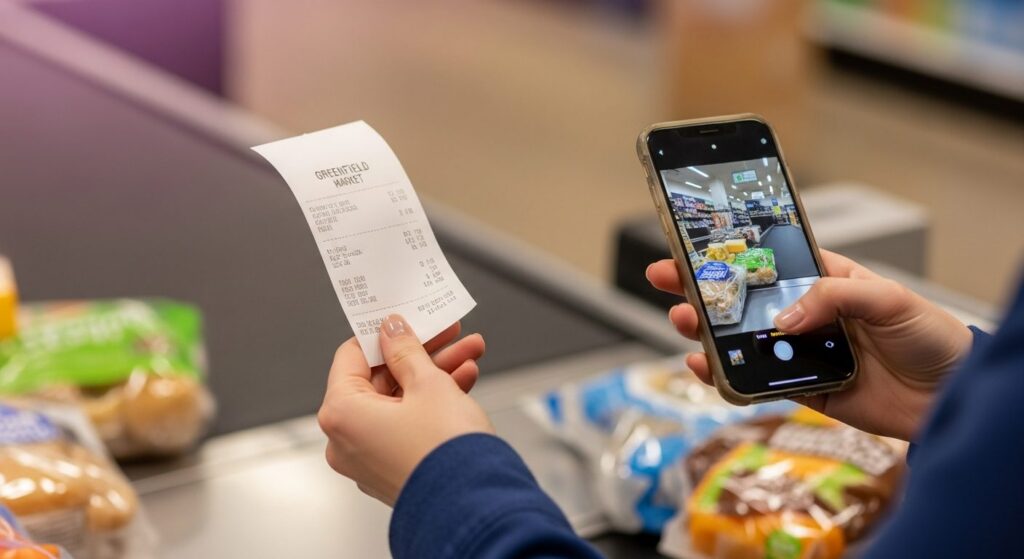
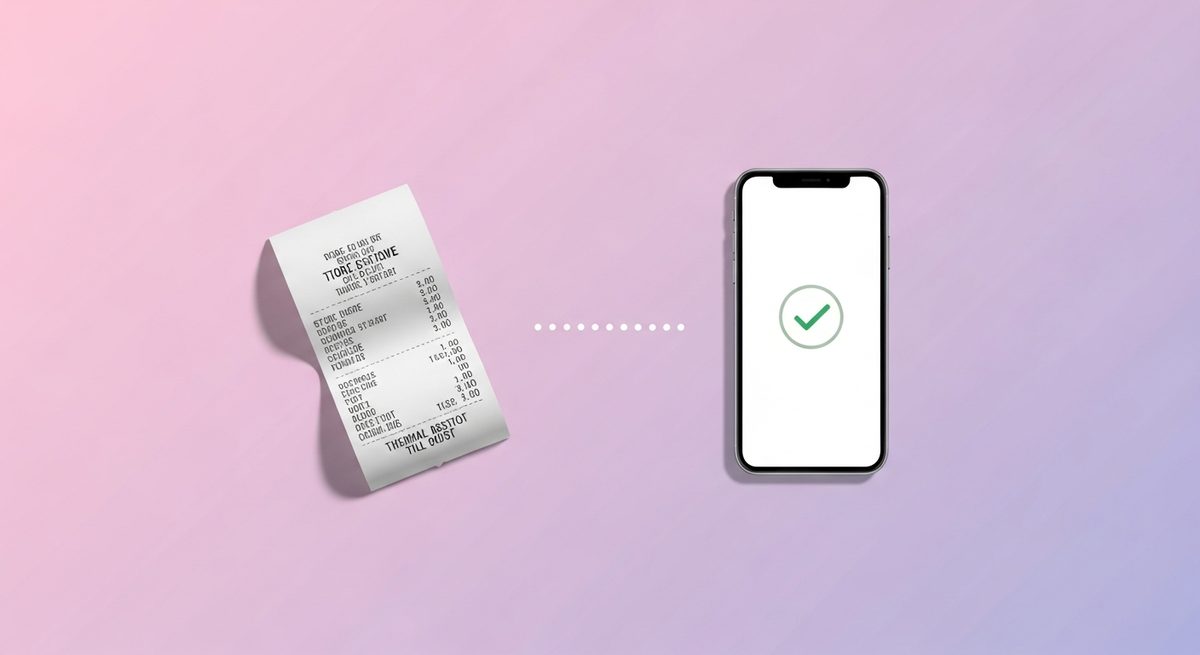
A receipt is the one piece of evidence that exists for every purchase, regardless of where it happened. When you run a receipt rewards campaign, you invite buyers to photograph their receipt and submit it to claim a reward. In doing that, they give you their email address, confirm what they bought, and tell you where and roughly when they bought it. That single action converts an anonymous retail transaction into a first-party customer record. Snap Rewards handles the validation side automatically: AI-powered OCR reads the receipt, the matching engine checks for your eligible products, and duplicate detection prevents the same receipt being submitted twice. The customer gets a reward; you get a data point you did not have before.
Turning a retail buyer into a direct customer
Capturing the data is step one. Keeping the customer is step two, and it requires a clear next action. The most effective approach is a reward that can only be redeemed in your own store. A discount code for snap-rewards.com, a voucher tied to your Shopify checkout, or points that accumulate toward a direct purchase all pull the customer out of the retail channel and into yours. You are not just thanking them for buying; you are giving them a financial reason to come back through a channel you own and can measure. The first direct purchase is the most important one. Once a customer has bought from your store, they are in your ecosystem: they are on your email list, in your CRM, and eligible for every retention campaign you run going forward.
Snap Rewards connects receipt uploads directly to your Shopify store, so every reward redeems at your checkout. Get started free →
Retail churn is a data problem as much as a loyalty one
Retail churn, the pattern where a customer buys once in a shop and never returns, looks like a loyalty failure. In practice it is usually a data failure. You cannot run a win-back campaign for someone you do not know exists. You cannot send a lapsed-buyer email to an address you never captured. The brands that beat retail churn are the ones who collect a customer record at the first purchase, however that purchase happened, and then use it. Receipt rewards are the mechanism that makes that first-party data collection feel natural and fair: the customer gets something real in exchange, and you get the record you need to act on.
What to do with indirect customer data once you have it
A list of email addresses from receipt submissions is only valuable if you act on it promptly. The most important message is the first one: a welcome email that confirms the reward, names the product they bought, and sets an expectation for what comes next. After that, the data supports the same retention plays that work on any known customer. Snap Rewards integrates with Klaviyo, so receipt-validated customers can drop straight into your existing flows: post-purchase sequences, replenishment reminders if your product has a predictable use cycle, or targeted campaigns tied to the retail channel they used. The customer who bought in a supermarket and the customer who bought on your Shopify store can now get the same quality of follow-up. That consistency is what turns a single retail purchase into a long-term relationship.
Starting small still pays off
You do not need full retail distribution to make this work. Even a brand selling in a handful of local stockists has indirect buyers it cannot currently see. A simple receipt rewards campaign, promoting one eligible product and offering a modest reward redeemable at your Shopify store, will start pulling those customers into your direct channel. The value compounds: every customer you capture this month is one you can speak to next month. Over time, a receipt rewards program acts as a continuous intake funnel for your direct customer base, fed by every retail sale you make.
From retail shelf to direct relationship
You receive the sale. The buyer stays anonymous.
AI validates the purchase. You gain a first-party data record.
The indirect buyer becomes a direct, measurable customer.
Post-purchase emails, replenishment nudges and loyalty milestones keep them coming back.
Four steps from an anonymous retail sale to a retained direct customer.
The customers most likely to buy again are the ones who just bought. Receipt rewards make sure you can reach them.
Snap Rewards is a receipt rewards and loyalty platform for Shopify brands, turning everyday purchases into repeat customers. Install it today and your first receipt campaign can be live in an afternoon.
Get started freeBook a demo